As humans, we are wired for connection. Research by Baumeister & Leary identified belonging as one of our deepest psychological needs – the desire to feel accepted, valued and part of something larger than ourselves.
Yet alongside this sits another equally important need: authenticity
The need to feel that our choices, identity and self-expression genuinely come from within, rather than being shaped entirely by external expectations. This tension shows up powerfully in the way women dress.
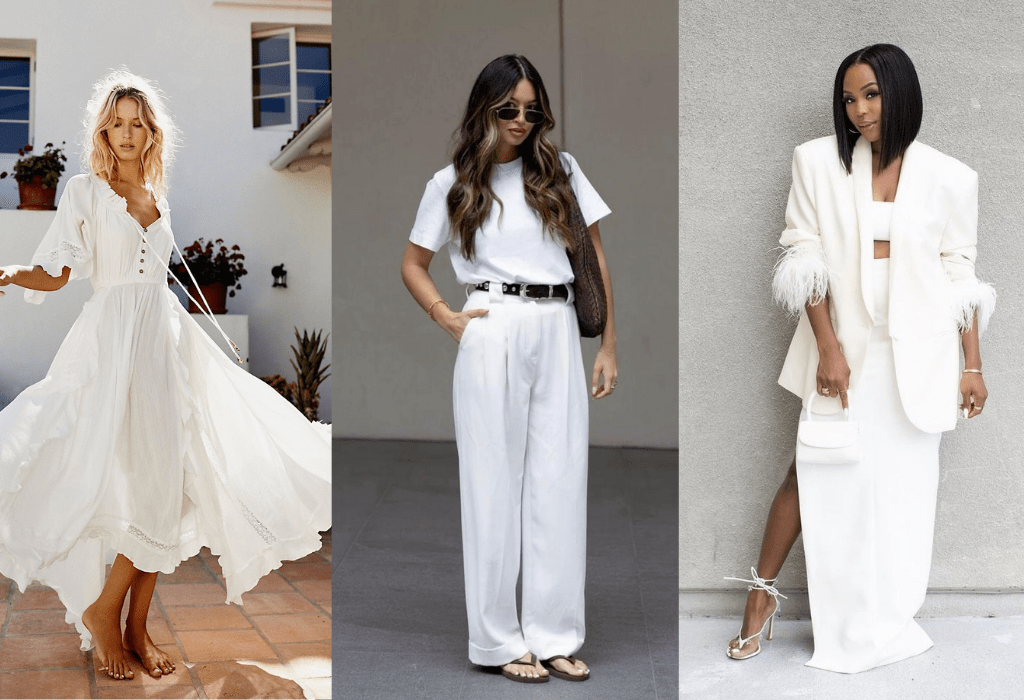
Today, women are exposed to more style inspiration than ever before
Social media, celebrity culture and influencer marketing constantly present curated versions of what is considered “stylish”, desirable or aspirational. Research has shown that appearance-focused social media can significantly influence body image, self-perception and identity formation, particularly through comparison behaviours.
One study exploring social media and body image found that platforms such as Instagram encourage “upward social comparison”, where individuals compare themselves to idealised and carefully curated images, often leading to dissatisfaction with their own appearance and identity (Fardouly & Vartanian).
As a result, many women unconsciously begin dressing from a place of comparison rather than self-understanding. They save celebrity outfits. Follow trends. Buy pieces they admire on someone else. Yet often feel disappointed when the same outfit doesn’t feel quite right on them.
Not because they’ve “got it wrong” but because style is deeply individual.
A celebrity’s outfit works in harmony with their unique combination of body shape, proportions, colouring, scale, energy and style personality. Simply recreating the clothing itself rarely recreates the overall effect.
This is something I educate women on through my colour and style services.
True personal style is not about copying aesthetics. It’s about understanding the visual language of you:
- Your body shape influences how clothing sits, balances and creates proportion
- Your proportions affect which lengths, silhouettes and details feel harmonious
- Your colouring determines which tones bring your features to life naturally
- And your style personality blend shapes the overall mood and presence of your outfits
For example, two women may wear the same blazer, jeans and trainers, yet one may need softer structure, one may suit sharper tailoring, one may need visual simplicity while another needs more contrast or detail to feel like herself.
When women don’t understand these individual elements, they often end up shopping reactively rather than intentionally.